Stuck & Noisy? The Real Reasons for Wardrobe Door Problems You Never Knew
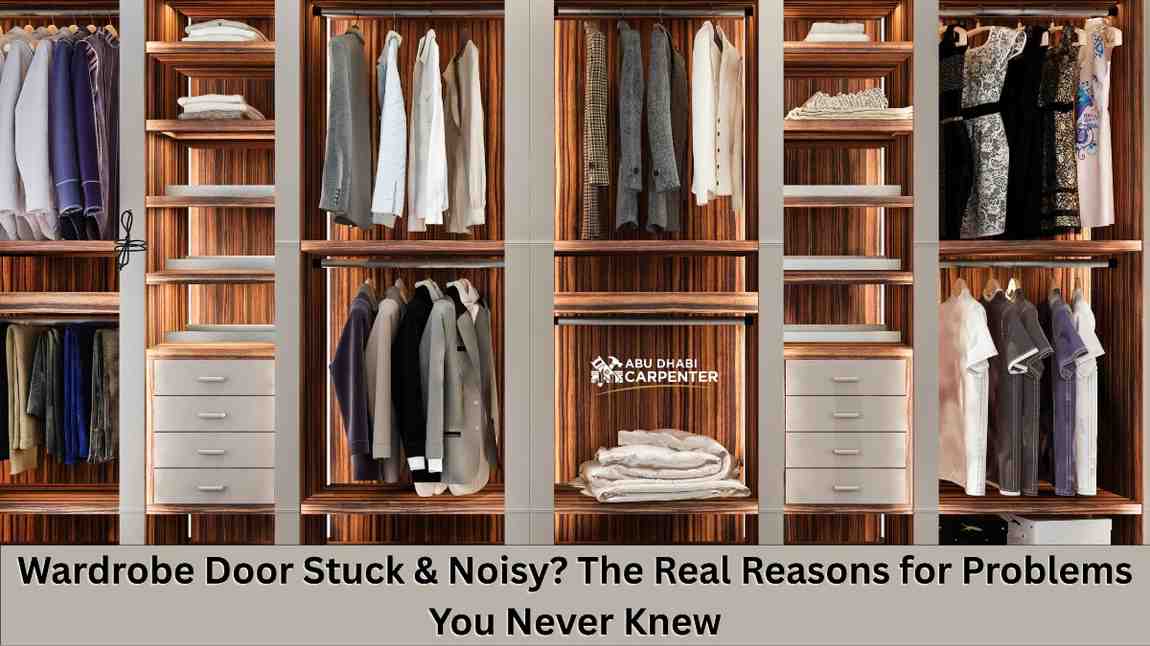
It worked fine yesterday… Today? The wardrobe door 🚪 scrapes the floor. Or leans. Or just won’t shut cleanly.
That’s how wardrobe door problems usually begin—quietly. Hinges loosen over time, and wood reacts to humidity.
But one morning, your wardrobe door demands quick attention. Wardrobe doors give warnings long before they fail completely. And once you know how to read those signs, things change.
By the end of this guide, you’ll understand what’s actually causing common wardrobe door problems, which joint issues can be handled early, and when calling a professional door repair service saves you time and repeat repairs.
Let’s get started…
Why Wardrobe Doors Go Out of Alignment
-
— Daily Opening and Closing Loosen Door Alignment Over Time
-
— Uneven Weight Distribution Inside the Wardrobe (This One’s on Us 😬)
-
— Floor and Structural Settlement Affect Door Alignment (Yes, Even in “New” Homes)
-
— Humidity and Temperature Changes Impact Door Materials
-
— Loose Hinges Create Gradual Door Sagging
— Soft-Close Hinges Losing Internal Tension
— Incorrect DIY Adjustments That Go… Slightly Wrong
— The Wardrobe Frame Itself Shifting Over Time
— Old Hardware Supporting Increased Daily Use
— Ignoring Early Signs (Because Your Life Is Too Busy)
- Uneven gaps
- Scraping sounds
- Resistance while closing
- Repeated hinge loosening
You open it. Close it. Open it again. Every single day.
No drama. No accident. Just… repetition.
And here’s the thing—wardrobe doors aren’t designed for endless stress… right? Hinges stretch, and screws loosen by microns.
Alignment shifts slowly. You don’t notice it today. Or tomorrow. But one day you think, “Why does my wardrobe feel slightly off?” Yeah. That’s daily fatigue doing its quiet damage.
Heavy winter clothes on one side and light shirts on the other? Sounds sooo harmless, right?
But over time, that uneven load pulls the door toward the heavier side. The hinges start to compensate, and the door begins to lean to one side. You push it back, and again it resists! This is how a hinged wardrobe door sagging begins—slowly and silently… until it doesn’t.
New apartment. Fresh paint. And everything looks perfect. So why is the wardrobe door misbehaving already?
Because buildings settle and millimeters matter here. When the base isn’t perfectly level anymore, the wardrobe frame twists just enough to throw the door out of alignment.
You can’t see it. You can feel it…
What causes it? Extra pressure. Uneven gaps. That annoying scrape. Classic wardrobe door alignment issues—not bad carpentry.
Dry months. Humid months. AC on. AC off. But your wardrobe can feel all of it.
Wood and MDF react to humidity differently. Seasonal moisture can simply cause expansion or edge swelling.
This material movement affects hinge positions and door balance.
One month, the door works fine, but the next, it rubs or sticks. These environmental changes are a common reason alignment issues return repeatedly.
You tighten the screw, and your wardrobe door is working perfectly fine. Win? Not really.
What actually happened is that the hinge hole widened and the screw grabbed… temporarily.
Over time, the hinge shifts again, but now faster…. You tighten it again. Déjà vu. 😖
This is where many 🚪 door alignment problems lock in permanently if ignored. Loose hinges don’t just cause sagging—they change the door’s resting position.
Soft-close feels premium until it doesn’t.
Inside that hinge is a tiny mechanism doing heavy work every day. Over time, it gradually weakens, and the door stops pulling itself into the right position effortlessly.
It closes slightly off. You push it. You force it. Alignment suffers.
And no—this isn’t visible damage. This is internal fatigue, and also expensive if you ignore it.
You watched a DIY wardrobe door tightening video. Grabbed a screwdriver & wrenches 🔧, etc.
😎 Confidence level: high.
But one wrong turn—too much tension, uneven tightening—and the door shifts in a new direction.
Now it closes but rubs. Or aligns, but doesn’t latch.
Your DIY isn’t that bad, but repeated DIY without diagnosis is. This is how small misalignments become structural habits.
This one wardrobe fact hurts to accept. Sometimes the door isn’t the problem.
But… the internal frame loosens. Screws inside the cabinet relax. Panels move a fraction.
And then your wardrobe door slightly reacts to that change. You keep adjusting the door, but the base itself isn’t stable anymore.
That’s why alignment fixes don’t “last.” You’re correcting the symptom, not the cause. Here, you must connect with experienced and professional carpenter Abu Dhabi experts who are well-versed with these common yet tricky issues.
Remember, your wardrobe was always designed for LIGHTER USE. 📌 But the fact is… your life changed. More clothes. More access. Daily opening
Hardware ages faster than you expected. Hinges that once held firm now struggle to keep alignment.
The door drifts. You adjust. It drifts again. Noo… Not a bad design. Just… outdated capacity.
Now, let’s be honest. You noticed these signs below earlier as well.
A slight tilt. The sound. The resistance. But you thought, “Later.”
And later turned into worse alignment. Doors don’t self-correct. They only adapt—usually in the wrong direction. Early signs are cheap to fix.
Late ones? Not so much. You can just call an expert carpenter near me and fix those issues today.
— Here’s A Quick Reality Check
If your wardrobe door shows:
…it’s already telling you something. You just need to listen.
When Professional Repair Becomes the Smarter Choice
When Basic Adjustments Stop Working
You tighten the screws. You realign the hinges. The door behaves… briefly. Then it goes back to scraping, leaning, or refusing to close cleanly. That’s usually the first sign, and the issue is no longer a simple surface-level one. When small fixes don’t hold, the problem is deeper—often related to frame alignment or load imbalance.
Repeated Problems Are a Warning Sign
If the same issue keeps returning, it’s not a coincidence. Loose hinges that won’t stay tight and doors that drift out of position usually mean something structural is off. If you ignore these signs, they often turn into a costlier repair later.
Professional Repair Often Costs Less Than Replacement
This surprises many homeowners. In most cases, wardrobe doors don’t need replacement. A professional focuses on correcting the core issue—realigning the door and restabilizing the frame. When done correctly, repair restores smooth function and saves you from unnecessary replacement expenses.
What Skilled Technicians Look At First
Professionals don’t start by forcing the door straight. They check the hinge condition and door weight distribution. These checks explain why the door shifted in the first place. Addressing these factors is what makes professional repair last longer than repeated DIY attempts.
When Searching for a Professional Makes Sense
If you’ve reached the point of searching for a carpenter near me, it usually means the door has crossed from minor annoyance to daily frustration. Reliable door repair services focus on fixing alignment properly, not masking the issue. An experienced carpenter in Abu Dhabi also understands how local humidity and materials affect long-term performance.
Final Thoughts: Fix Early, Fix Right
Most wardrobe door problems don’t start as serious damage. They begin with small changes. A slight tilt. A soft scrape. A door that needs an extra push. Easy to ignore. Easy to postpone. But these early signs are your chance to fix the issue while it’s still simple.
Understanding what causes alignment problems helps you make better decisions. You know when a quick adjustment is enough. You know when repeated fixes are a waste of time. And you know when professional repair is the smarter move.
This purpose is not to replace your wardrobe. It’s about to repair & get smooth wardrobe door movement and proper alignment without repeat repairs. Contact experienced carpenter Abu Dhabi and fix your wardrobe doors today.
Our Services
Related Post

Why Smart Offices Pick Wooden Furniture for Better Productivity
Protect Wooden Furniture Shine: Easy Wood Care & Instant Repairs
.png)
Door Swelling, Sticking or Cracking? These Fixes Actually Work

Custom Furniture vs Readymade: Which One Reflects Your Luxury Style Better?